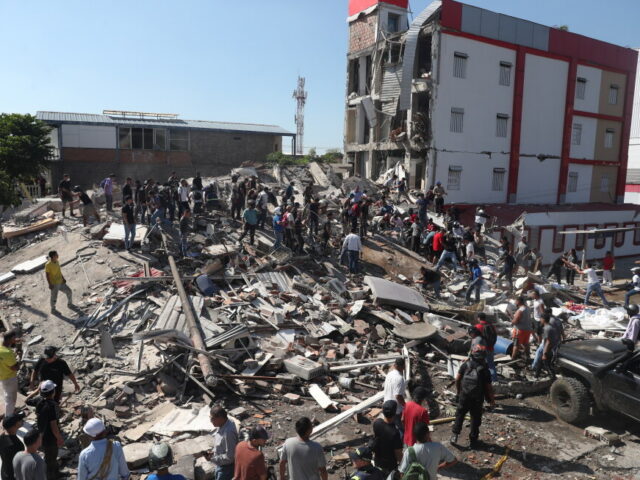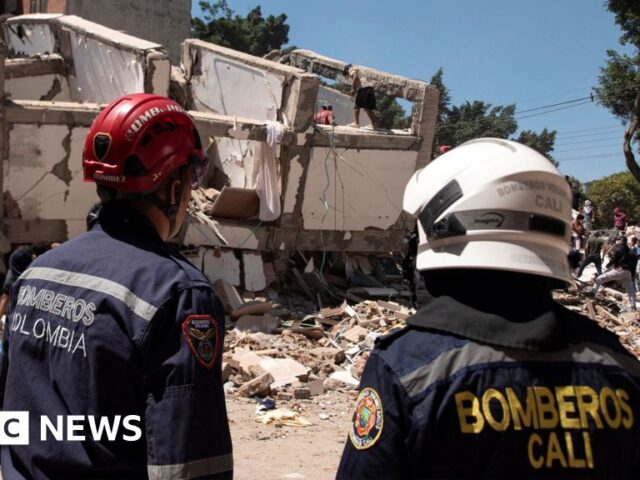
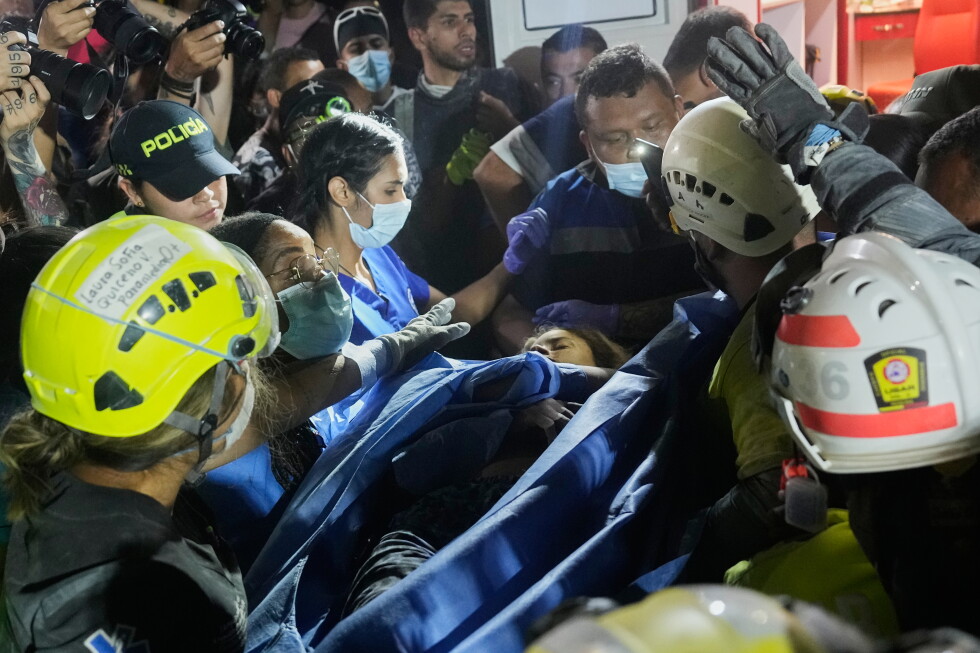
The search for survivors in the wake of Colombia’s devastating 7.4 magnitude earthquake has grown increasingly desperate as rescue teams race against a closing window of time. Two days after the quake leveled buildings and shattered infrastructure across the western part of the country, crews are working tirelessly through the night in cities like Cali, Pereira, Manizales, and Quibdo. While officials believe the first three days are critical for finding survivors alive, every passing hour adds to the tension for families waiting for news of their loved ones buried beneath the concrete.
President Abelardo de la Espriella and his fledgling administration are facing an immediate trial by fire as they struggle to coordinate a massive emergency response. The death toll has already climbed to at least 181 people with thousands more injured, but a worrying discrepancy has emerged regarding those still missing. While the government reports around 195 people unaccounted for, civilian databases suggest a far grimmer reality with numbers exceeding 4,000. This gap highlights the immense strain on state resources and underscores the vital role civil society is playing in filling the gaps during this crisis.
Despite the overwhelming scale of destruction, there have been flashes of profound relief. In Pereira, rescuers spent twelve grueling hours carving a path through debris to reach Daniela Largo, whose pinned arm required delicate extraction and medical stabilization before she could be freed. Her rescue sparked celebrations among onlookers and provided a rare moment of hope for residents currently sleeping in parks or temporary shelters_converted schools and sports arenas_out of fear that aftershocks could bring down what remains of their homes.
The recovery effort is further complicated by Colombia’s long history of civil conflict and systemic poverty, meaning many affected communities were already fragile before the earth shook. Humanitarian organizations like the Norwegian Refugee Council warn that the disaster compounds existing crises, although some UN coordinators note that previous peace-building efforts actually placed aid workers near the epicenter just in time to pivot toward disaster relief. As international assistance begins to arrive including specialized search teams from the United States, experts remind citizens that while the primary energy release may be over, Colombia’s volatile fault lines mean such tragedies remain an inevitable threat.