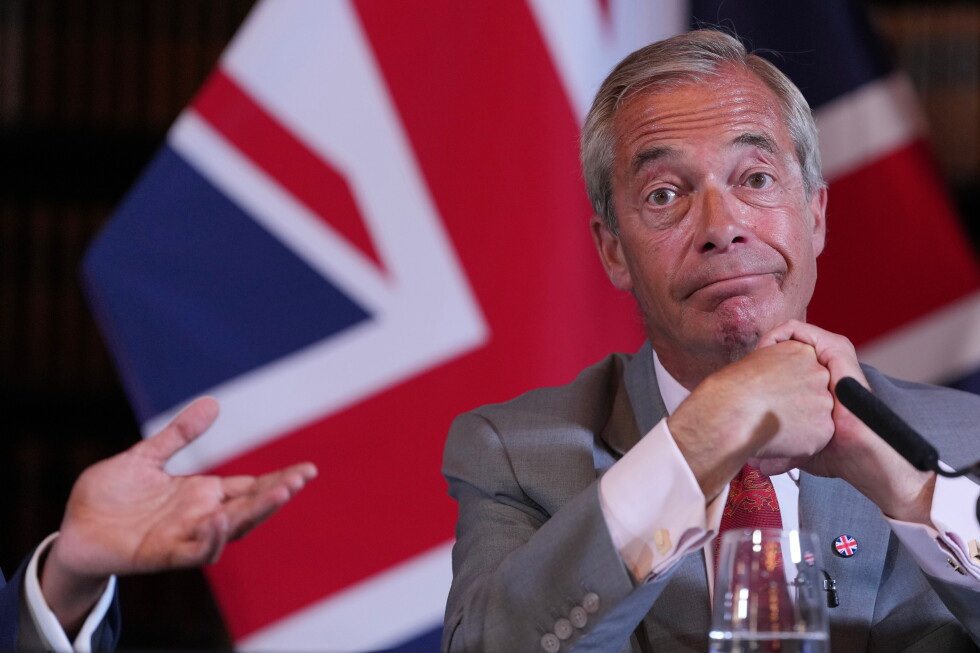
Nigel Farage has spent decades cultivating the persona of a defiant outsider fighting a rigid political establishment, but recent events in the seaside town of Clacton suggest the roles have shifted. After triggering a special election by resigning his seat to evade uncomfortable questions about his finances, the Reform UK leader finds himself in the unlikely position of being the institutional favorite. With major parties like Labour and the Conservatives refusing to participate in what they describe as a publicity stunt, Farage is left to defend his mandate against a colorful cast of independent candidates and jokers.
Chief among these challengers is Count Binface, a comedic figure who campaigns as a space alien wearing a trash can on his head. While Binface may seem like mere entertainment, his platform takes direct aim at Farage’s current legal troubles, specifically pledging that he will not accept multi-million pound gifts from cryptocurrency billionaires. It creates a surreal political landscape where Farage, once the disruptor, now appears as the mainstream candidate while his primary rival is essentially a piece of street furniture with a satirical agenda.
Beyond the spectacle of the campaign trail, Farage is grappling with serious scrutiny regarding his funding. Parliamentary watchdogs are currently investigating an undeclared five million pound donation from a Thailand-based crypto billionaire, alongside concerns over his ties to George Cottrell, an entrepreneur with a history of fraud convictions in the United States. Despite these clouds hanging over his reputation, Farage maintains that he has done nothing wrong and views any criticism as further evidence of an establishment conspiracy designed to undermine him before voters can speak.
Political analysts suggest that this clash reveals both the strength and fragility of Farages public image. To his loyal followers, returning to the ballot box is an act of fearlessness and transparency. However, critics see it as the reaction of a thin skinned demagogue unable to handle standard legislative oversight. As he prepares for another victory in Clacton, Farage knows that winning only returns him to the very spotlight—and the investigative probes—that prompted him to walk away in the first place.