The recent decision by the United States to designate Brazil’s two most powerful criminal organizations, the Primeiro Comando da Capital and Comando Vermelho, as terrorist groups is sparking intense debate over whether Washington is prioritizing security or playing a role in Brazil’s internal politics. While both the U.S. government and members of the Brazilian far right argue that this move is a necessary step to combat transnational organized crime, critics suggest the timing reveals a deeper political agenda. By applying a label typically reserved for ideologically motivated actors to gangs primarily driven by profit, the U.S. is asserting its own definition of Brazil’s security threats at a highly sensitive moment.
This shift comes amid a fierce domestic battle within Brazil, specifically involving the Bolsonaro family and their ongoing conflict with President Luiz Inácio Lula da Silva’s administration. Flavio Bolsonaro, who has emerged as a primary challenger to Lula in the upcoming October elections, has spent months lobbying U.S. officials to take a harder line against the current Brazilian government. By successfully pushing for these designations, Flavio reinforces a potent narrative that portrays Lula as either incapable of handling organized crime or secretly aligned with it, effectively weaponizing U.S. foreign policy to gain leverage on the campaign trail.
The danger lies in how these labels translate into actual power. Designating these groups as terrorists gives Washington expansive authority to freeze assets, impose sanctions, and increase surveillance on financial networks within Brazil. This creates significant pressure on Brazilian banks and businesses that must now navigate strict U.S. compliance laws to avoid penalties. For many observers, this echoes a history of interventionism in Latin America where security rhetoric serves as a gateway for broader political interference and potential unilateral actions under the guise of stability.
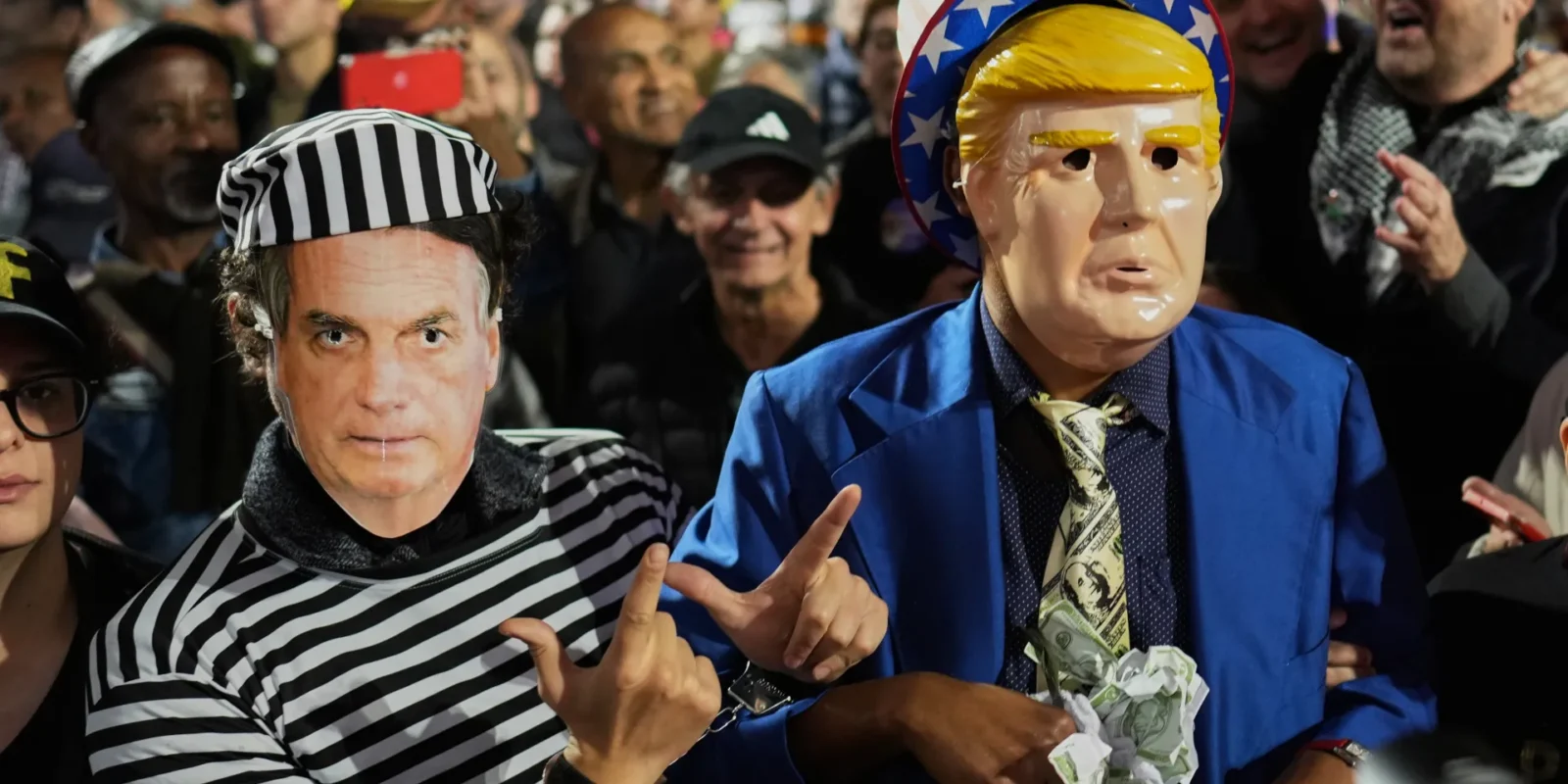
Ultimately, neither the PCC nor the CV are new phenomena; both have operated for decades with full knowledge from both Brasília and Washington. The sudden urgency to reclassify them suggests that the goal is not merely law enforcement but rather the creation of a climate of suspicion around Brazil’s leadership. As far-right demonstrators continue to wave American flags and call for foreign intervention to save Brazil from the left, this designation appears less like a strategic victory against crime and more like a tactical maneuver in an electoral war funded by international influence.